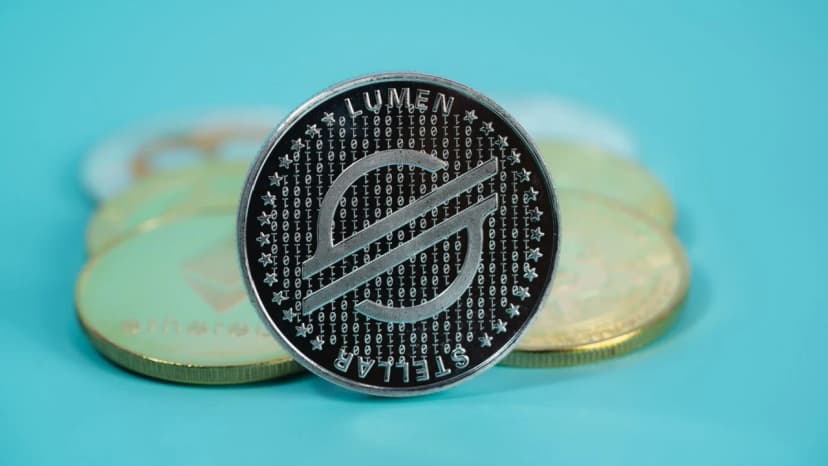
Stellar (XLM) Staking Rewards
Find the best XLM staking rewards and earn up to 11% APY. Compare 1 validators side-by-side.
Updated:
11% APY
Highest Rate
Disclaimer: This page may contain affiliate links. Bitcompare may be compensated if you visit any links. Please refer to our Advertising disclosure.
The best Stellar staking rate is 11% APY on Nexo.. Compare XLM staking rates across 1 platforms.
Compare Stellar (XLM) Staking Rewards
| Platform | Action | Max Rate | Base Rate | Min Deposit | Lockup | US Access |
|---|---|---|---|---|---|---|
| Nexo | Go to Platform | 11% APY | 5% APY | — | 210 days | Check terms |
Rates as listed by providers on Oct 25, 2026
Platform Safety Information
We evaluate each platform's regulatory status, transparency, and track record.
| Platform | Regulatory Status | Proof of Reserves | Track Record | Insurance |
|---|---|---|---|---|
| Nexo | EU (VARA Dubai, Multiple VASPs) | 2024-12 (Armanino) | Has issues | Custodial insurance |
Need programmatic access to this data?
Get real-time yield rates via the Bitcompare Pro API. 10,000 requests/month free.
Stellar Staking Guide
Frequently Asked Questions About Stellar (XLM) Staking
- What is Stellar (XLM) and what is its main purpose?
- Stellar is a decentralized blockchain platform designed to facilitate fast, low-cost cross-border payments. Its native token, XLM, acts as a bridge currency to help move value between different currencies and reduces transaction costs on the network. The project aims to enable financial access for the unbanked by partnering with banks, payment providers, and non-profit organizations. Transactions typically settle in seconds, with fees kept very low, making it practical for remittances, micropayments, and blockchain-based financial apps. Understanding the core use case—fast, affordable cross-border transfers—helps explain why Stellar has gained traction in the payments ecosystem.
- How does Stellar achieve fast transactions and what are the typical fees?
- Stellar uses the Stellar Consensus Protocol (SCP), a federated Byzantine agreement system that validators reach agreement on transactions efficiently, allowing quick finality. This design enables near-instant settlement, often within a few seconds. Transaction fees on Stellar are intentionally minimal to promote everyday use; fees are paid in XLM and have historically been fractions of a cent. In practice, the fee structure means you can send small or large transfers with predictable, low costs. As with any network, fees can fluctuate slightly with network load, but Stellar remains one of the most cost-effective blockchain payment rails today.
- How many XLM are in circulation and what is the current supply like?
- As of the latest data, Stellar has a circulating supply of approximately 32.73 billion XLM. Stellar has a fixed supply model and does not generate new coins through mining, which helps maintain predictable scarcity. A portion of the supply has been reserved or allocated for ecosystem development, grants, and partnerships. Investors should monitor official Stellar updates for any planned token burns, allocations, or changes in governance that could influence supply dynamics. Knowing the circulating supply provides context for price movements and market capitalization when evaluating the token as an investment or payment rail.
- What are practical use cases for XLM today?
- XLM serves as both a bridge asset and a facilitator of payments on the Stellar network. Practical use cases include: cross-border remittances with low fees and fast settlement, micropayments for digital services, currency exchange via the Stellar DEX (decentralized exchange) or third-party gateways, and partnerships with financial institutions to enable real-time payments. Developers can build wallets, payment apps, and settlement systems that leverage Stellar’s API and SDKs. For end users, XLM can be earned, held, or used to cover transaction costs within Stellar-enabled ecosystems. Always verify the latest adoption announcements from Stellar.org and project partners.
- What are the risks and considerations before investing in or using XLM?
- Key considerations include market volatility inherent to crypto assets, regulatory developments affecting cross-border payments, and project activity. While Stellar focuses on real-world use cases, price movements can be influenced by broader crypto market sentiment, competition from other payment rails, and the rate of network adoption. For users, consider security best practices: use reputable wallets, enable two-factor authentication, and store private keys securely. If you’re an investor, assess Stellar’s roadmap, development activity, and partner ecosystem. Diversification and a clear risk tolerance are essential when incorporating XLM into a portfolio.