- What geographic restrictions, minimum deposit requirements, KYC levels, and platform-specific eligibility constraints apply to lending Audiera (beat) on platforms that support its Binance Smart Chain deployment?
- Based on the provided data, Audiera (beat) is currently listed on a single platform that supports its Binance Smart Chain (BEP-20) deployment. The context does not specify any geographic restrictions, minimum deposit amounts, KYC levels, or platform-specific eligibility constraints for lending Audiera on this BSC-enabled platform. In particular, there are no published rate data, deposit thresholds, or jurisdictional disclosures within the given information. The only concrete disclosures are that Audiera is BEP-20-compatible and that there is a single platform involved (platformCount: 1) with Audiera having a market-cap rank of 294. Because lending eligibility often depends on the platform’s own user verification tiers, regional permissions, and asset-specific requirements, the absence of these details means you cannot derive precise geographic restrictions, minimum deposits, or KYC levels from the provided context. To obtain definitive lending eligibility, deposit requirements, and KYC tiers, you should consult the specific lending platform’s terms, supported jurisdictions, and KYC policy for assets on the BEP-20/BSC network, and verify any updates that may apply to Audiera’s BEP-20 listing.
- What are the key risk tradeoffs for lending Audiera (beat) including any lockup periods, platform insolvency risk, smart contract risk, rate volatility, and how should an investor evaluate risk versus reward for this asset?
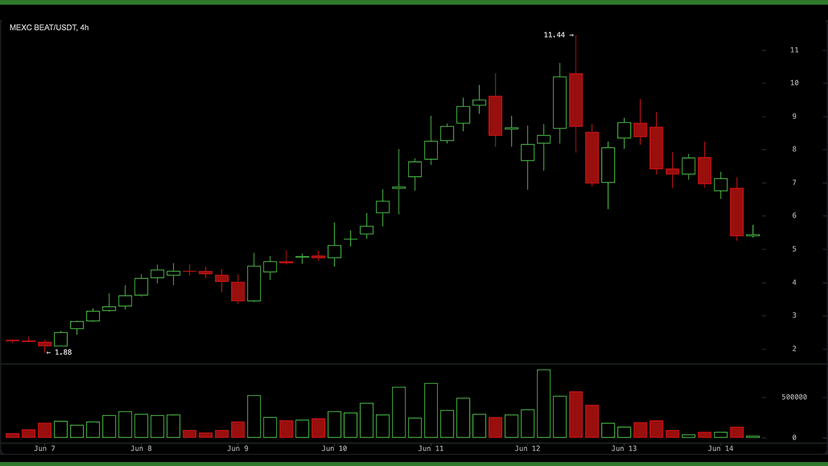
- Audiera (beat) presents a high-variance risk/reward profile for lending, driven by the available data and notable gaps. Key observations: the asset trades on BEP-20 (Binance Smart Chain) and is listed on a single platform, with a market-cap rank of 294 and only one platform supporting lending. The 24-hour price change is -13.74%, signaling meaningful near-term price volatility that can materially affect collateral value and liquidity if beat is used as collateral or if withdrawal windows align with drawdowns. Notably, there are no reported lending rates in the provided data, and the rateRange is null, meaning there is no disclosed band for expected yields or their volatility. This makes it difficult to quantify yield risk or to compare against peers. The combination of a single-platform listing and lack of rate data implies elevated platform concentration risk and opacity around reserve coverage, insurance, and governance.
Risk assessment considerations:
- Lockup periods: The context does not specify any lockup or vesting terms. If lockups exist, they could limit liquidity and amplify opportunity costs during drawdowns.
- Platform insolvency risk: With one platform listed and a mid-to-lower market-cap indication (rank 294), there is limited visibility into reserve backing or risk-sharing arrangements.
- Smart contract risk: BEP-20 lending relies on smart contracts; execution and upgrade risk, as well as potential bugs, remain.
- Rate volatility: No disclosed rates; the observed price volatility (-13.74% in 24h) suggests collateral and yields could be unstable.
Investor approach: treat beat lending as high-uncertainty exposure. Demand transparent rate disclosures, collateralization terms, insurance/DAO governance, and historical liquidity events before allocating capital. Use only risk capital if you’re comfortable with potentially illiquid or unstable yields.
- How is yield generated for Audiera (beat) when lent (e.g., via DeFi protocols or institutional lending), and are the rates fixed or variable with what compounding frequency, including any use of rehypothecation or collateral mechanisms?
- Based on the provided context for Audiera (beat), there is no disclosed information about yield mechanics for lending. The data shows the token is BEP-20 on Binance Smart Chain and appears on a lending-rates page template, but the actual rate data is empty (rates: []), and the rateRange fields are null. As a result, we cannot confirm whether yields come from DeFi protocols or institutional lending, nor can we determine if rates are fixed or variable, the compounding frequency, or the use of rehypothecation or collateral mechanisms.
What can be said from the context is:
- Platform: BEP-20 on Binance Smart Chain (listed signal: 24h price change -13.74%).
- Availability: Audiera is associated with a lending-rates page template, implying a listing related to lending yields, but without numeric figures or described structures.
- Funding/Platform count: platformCount is 1, suggesting a single platform reference in the data, but no specifics on the lending terms.
Because no concrete rate data or protocol details are provided, any assertion about fixed vs variable rates, compounding, rehypothecation, or collateral is speculative. To obtain an accurate answer, consult Audiera’s official lending page or on-chain data for Audiera on BSC, including:
- the active lending pools or protocols and their APYs
- whether yields are preserved via fixed terms or dynamic market rates
- the compounding frequency (e.g., per block, daily, or weekly)
- collateral requirements or rehypothecation practices if applicable
Data points from the context to cite: BEP-20/Q1 on Binance Smart Chain, lent-rates page template, rates: [], rateRange: {min: null, max: null}, platformCount: 1.
- What is a notable unique aspect of Audiera's lending market from the current data (such as a recent significant rate change, limited platform coverage to Binance Smart Chain, or other market-specific insight) that distinguishes it from other coins?
- Audiera’s lending market stands out for its extremely narrow platform coverage. The data shows Audiera is listed on a single platform, specifically Binance Smart Chain (BEP-20), with a platform count of 1. This means liquidity, borrowing capacity, and any collateral dynamics are concentrated on one chain rather than spread across multiple ecosystems, which can amplify platform-specific risks and opportunity while limiting cross-chain liquidity arbitrage. The absence of listed lending rate data further underscores a potentially limited or less transparent lending market relative to multi-chain lenders. Additionally, Audiera is currently showing a significant short-term volatility signal, with a 24-hour price change of -13.74%, a condition that can influence lending demand, collateral requirements, and risk management practices on a single-chain platform. Collectively, the combination of single-chain coverage (BEP-20) and notable 24h price volatility, set against a mid-tier market position (market cap rank 294), suggests Audiera’s lending market is inherently more platform-constrained and potentially more sensitive to BSC-specific liquidity and price dynamics than comparable multi-chain lending markets.