Latest Movements
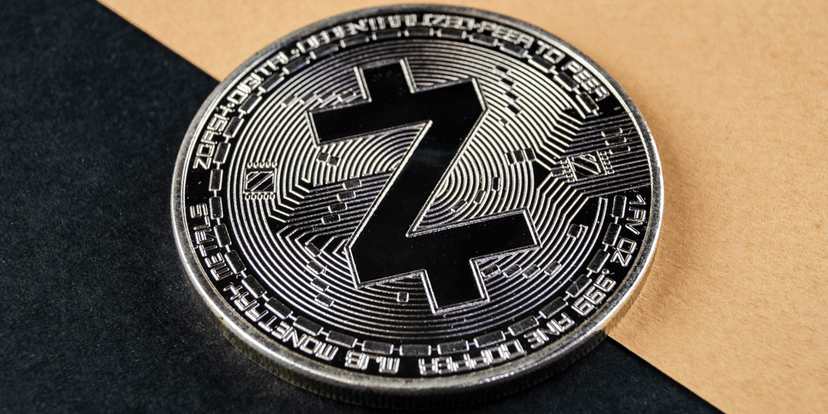
Zcash (zec) is currently priced at $1,155.16 with a 24-hour trading volume of $836.03M. In the last 24 hours, Zcash has seen an increase of 1.8%. The market cap of Zcash stands at $19.63B, with 16.99M zec in circulation. For those looking to buy or trade Zcash, reputable platforms like OKX & Gemini offer avenues to do so securely and efficiently
- Market cap
- $19.63B
- 24h volume
- $836.03M
- Circulating supply
- 16.99M zec
Frequently Asked Questions About Zcash (zec) Lending
- What is Zcash and how does it differ from other cryptocurrencies?
- Zcash is a privacy-focused cryptocurrency that uses zero-knowledge proofs (specifically zk-SNARKs) to enable shielded transactions. This means users can transact with a higher level of privacy, as transaction data such as sender, recipient, and amount can be hidden on the blockchain. Unlike coins with fully public ledgers, Zcash offers two transaction types: transparent (similar to Bitcoin, with public addresses) and shielded (privacy-preserving addresses). This flexibility makes it possible to balance privacy with transparency when needed. Zcash is secured by a proof-of-work consensus mechanism and has a fixed max supply of 21 million coins, with a portion of block rewards allocated to a network update fund called the Zcash Foundation and Zcash Company to fund research and development.
- How many Zcash coins are in circulation, and what is the maximum supply?
- As of now, approximately 16.51 million ZEC are in circulation out of a hard cap of 21 million ZEC. The supply schedule is designed so that new coins are minted with each block reward until the cap is reached. After all 21 million ZEC are mined, no new coins will be issued. This fixed supply is similar to Bitcoin and can influence long-term scarcity and price dynamics. Miners are incentivized by block rewards, and the network periodically undergoes updates to improve privacy and performance.
- Is Zcash a good option for privacy, and how do shielded cash transactions work in practice?
- Shielded transactions in Zcash use zk-SNARKs to allow the validation of transactions without exposing the underlying data. When you send shielded ZEC, the amount, sender, and recipient can remain private, while the network cryptographically proves that the transaction is valid. This is particularly appealing for users who prioritize privacy in financial transactions. However, note that shielded addresses are not universally supported by all wallets and exchanges, which can affect usability. To maximize privacy, you should use compatible wallets, enable shielded transactions where supported, and be mindful of the privacy implications of interacting with non-shielded addresses or services that require disclosure of transaction details.
- What are the typical costs and performance characteristics for Zcash transactions?
- Transaction costs on Zcash are generally modest and can vary with network activity and the type of transaction (transparent vs. shielded). Shielded transactions tend to be more computationally intensive and may incur slightly higher fees, but they provide significantly stronger privacy. The blockchain’s confirmation times resemble other PoW-based networks, with faster confirmations at higher block frequencies. For users, it’s wise to check current mempool conditions and wallet estimates, as well as the fee recommendations from the network at the time of transaction. Using shielded addresses may also involve some trade-offs in speed and compatibility, so plan transactions accordingly.
- How can I buy, store, and protect Zcash safely?
- To buy Zcash (ZEC), you can use major crypto exchanges that list ZEC, then transfer to a wallet you control. For storage, you have a few options: software wallets (desktop or mobile) for everyday use, hardware wallets for enhanced security (e.g., Ledger with support for Zcash shielded and transparent addresses), or paper wallets for long-term custody. When protecting ZEC, use strong, unique passwords, enable two-factor authentication on exchange accounts, and consider using a hardware wallet for private keys, especially if you hold a significant balance. If privacy is a priority, use wallets that support shielded transactions and update them regularly to benefit from the latest privacy and security improvements. Be mindful of regulatory and exchange-related compliance when moving funds in and out of exchanges.